Pest control · South Carolina
South Carolina pest control license requirements
What South Carolina requires before you take paid pest control work: the license, job size limit, exams, fees, bond and insurance. Checked November 6, 2026 from 8 official sources.
Do I need a license to work as a pest control in South Carolina?
Yes. You need a state license: Commercial Pesticide Applicator license, Category 7A, and Pest Control Business License.
Issued by Clemson University Department of Pesticide Regulation2
- Needed from
- See limit below
- Bond
- None listed
- Verifiable Technician Training, initial
- $50
- Exams
- 2
There is no dollar threshold. Anyone who applies any pesticide in Categories 3, 5, 6, 7A, 7B or 8 on another person's property for pay must hold a commercial applicator license.23
More
Category 7A covers structural and household pest control in and around homes, food businesses, schools and other buildings. A business doing any Category 7A work also needs a Pest Control Business License.
How to get licensed
- 1
Register for and pass the core exam and the Category 7A exam through Metro Institute.5
- 2
Return the commercial license application, the Evidence of Financial Responsibility form completed by the insurer, and the $50 license fee.2
- 3
To open a business, also send the Pest Control Business License application, the DCA verifiable experience form, and $200 ($150 business license plus $50 DCA license).2
- 4
Have each technician complete the online Verifiable Technician Training through Metro Institute, with annual retraining.2
What South Carolina requires
Experience
Exams 2
- Core and category exams
- Reciprocal license
Applicators licensed in Alabama, Indiana, Kentucky, Louisiana, Maryland, Tennessee, New Jersey, Virginia or North Carolina may get a reciprocal license in 7A, with conditions for some states. Florida and Georgia reciprocity excludes 7A and 7B.2
Liability insurance
Category 7A and 7B applicators must keep comprehensive general liability insurance of at least $100,000 combined single limit, covering bodily injury and property damage from pesticide use.46
More
The deductible may not be over $1,000. A license is suspended at once if coverage lapses and revoked after 90 days.
Workers' compensation
Not published by the agency for this license.
Renewal
Commercial licenses and business licenses expire December 31 each year and must be renewed before then.2467
More
A 25 percent penalty applies if renewal is not filed before January 1, and a license not renewed by April 1 requires a new exam. Category 7A applicators must earn 20 continuing certification units in each five-year block (at least 12 specific to 7A); the current block runs January 1, 2024 to December 31, 2028.
Fees
Good to know
When all of a 7A business's licenses are renewed together, the DCA pays $50 and each additional applicator pays $10 per licensed category, up to $50 per applicator.4
Technicians must finish the $50 online training within 15 days of enrolling: 10 modules and a 20-question knowledge check. Retraining is required every year at no cost.2
A person licensed to issue CL-100 Wood Infestation Reports does not need a home inspector license for that report alone.8
Pest control rules in South Carolina cities
Some places make pest controls get a local license on top of South Carolina's. Find yours below.
- AndersonNo local license for this trade
- BeaufortNo local license for this trade
- BlufftonNo local license for this trade
- CamdenNo local license for this trade
- CharlestonNo local license for this trade
- ColumbiaNo local license for this trade
- ConwayNo local license for this trade
- EasleyNo local license for this trade
- FlorenceNo local license for this trade
- Forest AcresNo local license for this trade
- Fort MillNo local license for this trade
- Goose CreekNo local license for this trade
- GreenvilleNo local license for this trade
- GreenwoodNo local license for this trade
- HanahanNo local license for this trade
- Hilton Head IslandNo local license for this trade
- Isle of PalmsNo local license for this trade
- LexingtonNo local license for this trade
- MauldinNo local license for this trade
- Moncks CornerNo local license for this trade
- Mount PleasantNo local license for this trade
- NewberryNo local license for this trade
- North CharlestonNo local license for this trade
- North Myrtle BeachNo local license for this trade
- OrangeburgNo local license for this trade
- Port RoyalNo local license for this trade
- SenecaNo local license for this trade
- SimpsonvilleNo local license for this trade
- SpartanburgNo local license for this trade
- SummervilleNo local license for this trade
- SumterNo local license for this trade
- Surfside BeachNo local license for this trade
- Tega CayNo local license for this trade
- Travelers RestNo local license for this trade
- West ColumbiaNo local license for this trade
No match. Your city may not be on the site yet. Check with its building department.
Hiring a pest control in South Carolina?
What to ask for
A current Commercial Pesticide Applicator license, Category 7A, and Pest Control Business License number, then look it up yourself.
Common questions
Do I need a license to work as a pest control in South Carolina?
Yes. South Carolina requires Commercial Pesticide Applicator license, Category 7A, and Pest Control Business License. There is no dollar threshold. Anyone who applies any pesticide in Categories 3, 5, 6, 7A, 7B or 8 on another person's property for pay must hold a commercial applicator license. Category 7A covers structural and household pest control in and around homes, food businesses, schools and other buildings. A business doing any Category 7A work also needs a Pest Control Business License.
How much does Commercial Pesticide Applicator license, Category 7A, and Pest Control Business License cost in South Carolina?
Core exam: $75. Category exam, each: $50. New commercial applicator license: $50. Pest Control Business License: $150. Designated Certified Applicator license: $50. Annual renewal, DCA: $50. Verifiable Technician Training, initial: $50.
Is a bond required?
The law requires proof of financial responsibility, which may be a surety bond or liability insurance. The Department of Pesticide Regulation says pest control companies must carry general liability insurance.
What exams do I need to pass?
Core and category exams. Reciprocal license.
How often do I renew?
Commercial licenses and business licenses expire December 31 each year and must be renewed before then. A 25 percent penalty applies if renewal is not filed before January 1, and a license not renewed by April 1 requires a new exam. Category 7A applicators must earn 20 continuing certification units in each five-year block (at least 12 specific to 7A); the current block runs January 1, 2024 to December 31, 2028.
Sources
8 official pages, checked November 6, 2026
- South Carolina Contractor's Licensing Board · SC Department of Labor, Licensing and Regulation, Contractor's Licensing Board · checked November 6, 2026
- Licensing · Clemson University Department of Pesticide Regulation · checked November 6, 2026
- SC Certification Categories · Clemson University Department of Pesticide Regulation · checked November 6, 2026
- Frequently Asked Questions · Clemson University Department of Pesticide Regulation · checked November 6, 2026
- Exam Information · Clemson University Department of Pesticide Regulation · checked November 6, 2026
- SC Code of Laws, Title 46, Chapter 13 - Pesticide Control Act · South Carolina Legislature · checked November 6, 2026
- Recertification · Clemson University Department of Pesticide Regulation · checked November 6, 2026
- SC Code of Laws, Title 40, Chapter 59 - Residential Builders · South Carolina Legislature · checked November 6, 2026
Rules change. Confirm with the agency before you bid or start work. How we research
Other trades in South Carolina
 General contractor
General Contractor license (Contractor's Licensing Board)
 Residential builder
Residential Builder license
 Electrician
Residential Electrician license (Residential Builders Commission); Mechanical Contractor license, Electrical classification (Contractor's Licensing Board)
 Plumber
Residential Plumber license (Residential Builders Commission); Mechanical Contractor license, Plumbing classification (Contractor's Licensing Board)
 HVAC contractor
Residential HVAC Installer and Repairer license (Residential Builders Commission); Mechanical Contractor license, Air Conditioning, Heating or Packaged Equipment classification (Contractor's Licensing Board)
 Roofer
Residential Specialty Contractor registration, Roofers classification (Residential Builders Commission); General Contractor license, Roofing subclassification (Contractor's Licensing Board)
 Painter
Residential Specialty Contractor registration, Painters/Wallpaperers classification (Residential Builders Commission); General Contractor license, Nonstructural Renovation subclassification (Contractor's Licensing Board)
 Handyman
Covered by the state contractor license above a threshold
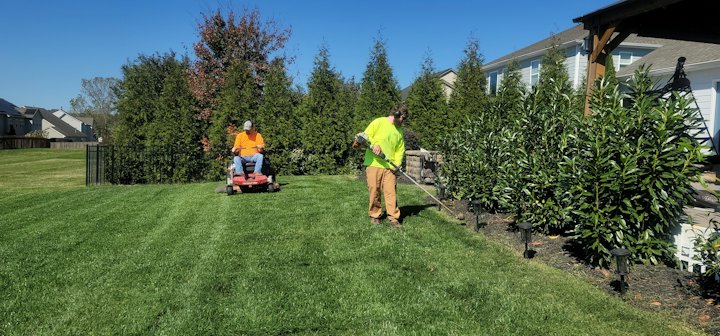 Landscaper
No state license for this work
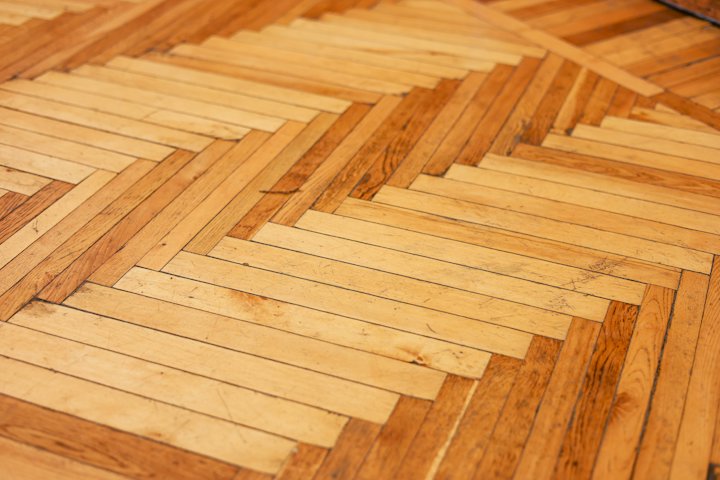 Flooring contractor
Residential Specialty Contractor registration, Floor Covering Installers classification (Residential Builders Commission); General Contractor license, Nonstructural Renovation subclassification (Contractor's Licensing Board)
 Concrete contractor
Residential Specialty Contractor registration, Masons classification (Residential Builders Commission); General Contractor license, Concrete subclassification (Contractor's Licensing Board)
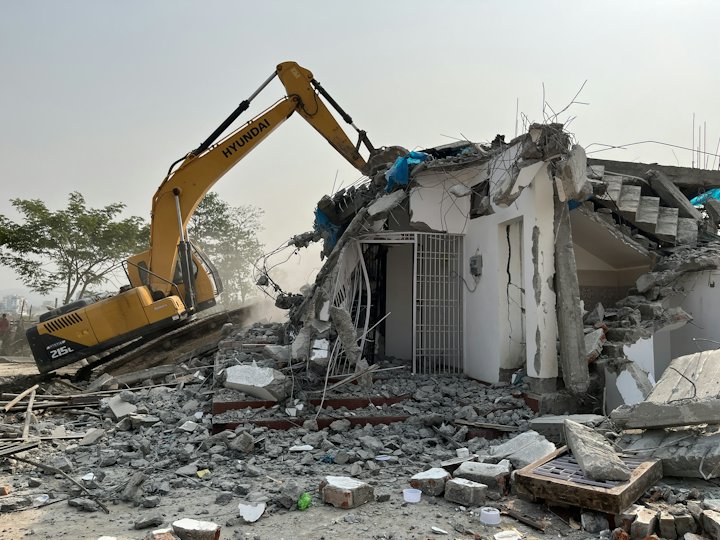 Demolition contractor
No state license for this work
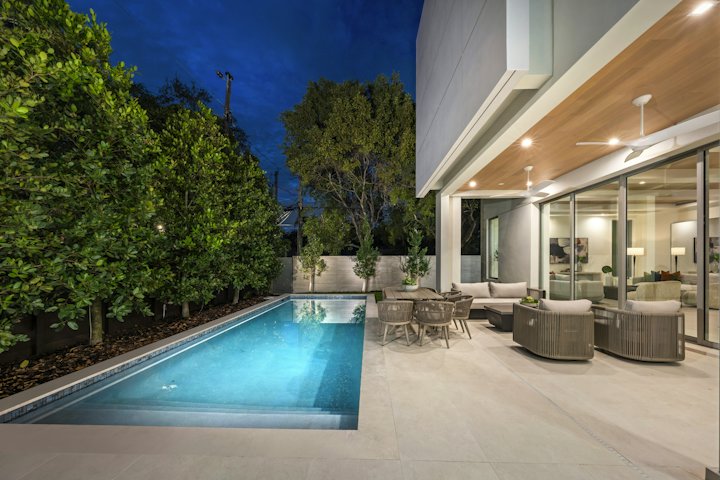 Pool and spa contractor
General Contractor license, Swimming Pools subclassification (Contractor's Licensing Board)
 Solar installer
Residential Specialty Contractor registration, Solar Panel Installers classification (Residential Builders Commission); General Contractor license, Miscellaneous Metals subclassification (Contractor's Licensing Board)
 Fence contractor
No state license for this work
 Home inspector
Home Inspector license
Pest control licenses in other states
 Alabama
Structural Professional Services permit (HPC, FC, WDC categories) with a certified operator
 Arizona
Pest management business license, with a registered qualifying party who is a certified qualified applicator
 Arkansas
Pest control commercial license (license holder and licensed operator), Arkansas Department of Agriculture
 Colorado
Commercial Applicator business license, with a licensed Qualified Supervisor
 Connecticut
Commercial Pesticide Supervisory Certification (such as 7A General Pest Control) and Pesticide Application Business Registration
 Delaware
Pesticide Business License and Certified Commercial Applicator (Delaware Department of Agriculture)
 District of Columbia
Pesticide Operator License and Certified Pesticide Applicator License
 Florida
Pest Control Business License, with a Certified Pest Control Operator in charge
 Georgia
Structural Pest Control Company License, with a Designated Certified Operator for each category
 Hawaii
Pest Control Operator (Branch 1 Fumigation, Branch 2 General Pest, Branch 3 Termite)
 Idaho
Professional pesticide applicator license
 Illinois
Commercial Structural Pest Control Business License and Certified Technician
 Indiana
Pesticide Business License and Commercial Applicator License (for hire)
 Iowa
Commercial pesticide applicator license (company) and commercial applicator certification in Category 7, Industrial, Institutional, and Structural Pest Control
 Kansas
Pesticide Business License (with a Certified Commercial Applicator)
 Kentucky
Commercial Structural Pest Management Operator license, Applicator license, and Structural Pest Management Company registration
 Louisiana
Structural Pest Control Operator license (by phase) and Place of Business Permit
 Maine
Commercial Applicator Certification; Spray Contracting Firm License
 Maryland
Pesticide Business License and Pest Control Applicator Certificate
 Massachusetts
Pesticide Applicator License (core) and Commercial Applicator Certification
 Michigan
Commercial Applicator Certification and Commercial Applicator License
 Minnesota
Structural Pest Control Applicator license (Journeyman or Master) and Structural Pest Control Company license
 Mississippi
Professional Services Company License and Operator License (Bureau of Plant Industry)
 Missouri
Certified Commercial Applicator License (Category 7A General Structural, 7B Termite, 7C Fumigation)
 Montana
Commercial Pesticide Applicator license
 Nebraska
Commercial Pesticide Applicator license (Category 08 Structural and Health-Related Pest Control; 08W Wood Destroying Organisms)
 Nevada
Pest control business license, plus an individual license as principal, operator or agent
 New Hampshire
Commercial Applicator Certificate of Registration (Category F, industrial, institutional, structural and health related pest control)
 New Jersey
Pesticide Applicator Business License and Commercial Pesticide Applicator certification
 New Mexico
Commercial Applicator license (with category certification, such as 7A structural pests or 7D wood-destroying pests)
 New York
Pesticide business registration and commercial pesticide applicator or technician certification
 North Carolina
Structural Pest Control License (P, W or F phase)
 North Dakota
Commercial Applicator Certification
 Ohio
Commercial Pesticide Applicator License (category 10a General Pest, 10b Termite, and others) and Pesticide Business License
 Oklahoma
Commercial Pesticide Applicator License (with a certified applicator)
 Oregon
Commercial Pesticide Operator license (business), with Commercial Pesticide Applicator licenses for individuals
 Pennsylvania
Pesticide application business license and commercial pesticide applicator certification
 Rhode Island
Commercial Pesticide Applicator License or Certification (such as Category 7A General Pest)
 South Dakota
Commercial Pesticide Applicator License
 Tennessee
Pest control charter (business) and pest control operator license by category, such as General Pest and Rodent Control (GRC) or Wood Destroying Organisms (WDO)
 Texas
Structural Pest Control Business License, with a Commercial Certified Applicator as Responsible Certified Applicator
 Utah
Commercial Pesticide Business License (4000), plus a Commercial Pesticide Applicator License (4001) for each applicator
 Virginia
Commercial Pesticide Applicator certification (Category 7A-7E) and Pesticide Business License
 Washington
Commercial Applicator pesticide license (company and individual), with Commercial Operator licenses for employees
 West Virginia
Licensed Pesticide Application Business (LPAB) license, Commercial Applicator license and Registered Technician license
 Wisconsin
Commercial applicator certification, Individual Commercial Applicator License (ICAL), and Pesticide Business License (PBL)
 Wyoming
Commercial Pesticide Applicator License