Pest control · Connecticut
Connecticut pest control license requirements
What Connecticut requires before you take paid pest control work: the license, job size limit, exams, fees, bond and insurance. Checked November 6, 2026 from 7 official sources.
Do I need a license to work as a pest control in Connecticut?
Yes. You need a state license: Commercial Pesticide Supervisory Certification (such as 7A General Pest Control) and Pesticide Application Business Registration.
Issued by Connecticut Department of Energy and Environmental Protection, Pesticide Management Program3
- Needed from
- See limit below
- Bond
- None listed
- Pesticide application business registration
- $240
- Exams
- 2
Everyone who uses pesticides professionally must hold a current DEEP certificate.456
More
Every company applying pesticides commercially must have a certified supervisory applicator, who must be on site or give written instructions to certified operators. A pesticide application business must also register with DEEP.
How to get licensed
What Connecticut requires
Experience
Supervisor applicants must be at least 18 and pass the exams. The DEEP pages reviewed do not state a work experience requirement.5
Exams 2
- Written supervisory exam
Taken online through Everblue. A score of at least 75% is needed and up to 3 hours are allowed.5
More
Up to three categories can be attempted per registration, and at least 30 days must pass between attempts in the same category.
- Oral exam
Most categories also have an in-person oral exam in Hartford, usually 20 to 30 minutes, with two to four board members.5
Bond
The state does not publish a bond requirement for this work.
Liability insurance
DEEP may require commercial applicators to show proof of financial responsibility for injury and property damage claims; the amount and form are set by DEEP with the Insurance Commissioner.7
Workers' compensation
Not published by the agency for this license.
Fees
Good to know
Workers who apply pesticides under a supervisor need a commercial junior operator certificate and written instructions for every application.3
More
It does not allow buying restricted-use pesticides or running a pesticide business.
Termite, rodent, fumigation and other pests have their own supervisory categories (such as 7B, 7C and 7D).5
Commercial applicators must file an annual pesticide use summary report through eLicense.5
Pest control rules in Connecticut cities
Some places make pest controls get a local license on top of Connecticut's. Find yours below.
No match. Your city may not be on the site yet. Check with its building department.
Hiring a pest control in Connecticut?
What to ask for
A current Commercial Pesticide Supervisory Certification (such as 7A General Pest Control) and Pesticide Application Business Registration number, then look it up yourself.
Common questions
Do I need a license to work as a pest control in Connecticut?
Yes. Connecticut requires Commercial Pesticide Supervisory Certification (such as 7A General Pest Control) and Pesticide Application Business Registration. Everyone who uses pesticides professionally must hold a current DEEP certificate. Every company applying pesticides commercially must have a certified supervisory applicator, who must be on site or give written instructions to certified operators. A pesticide application business must also register with DEEP.
How much does Commercial Pesticide Supervisory Certification (such as 7A General Pest Control) and Pesticide Application Business Registration cost in Connecticut?
Supervisory exam fee (up to three categories): $200. Supervisory retest fee (up to three categories): $200. Everblue proctoring fee per exam (DEEP says it is expected to rise to $29): $21. Supervisory certification, every five years: $285. Operational (operator) certification: $80. Pesticide application business registration (per place of business and business name; waived for a business with no more than one certified applicator): $240.
What exams do I need to pass?
Written supervisory exam. Oral exam.
How often do I renew?
Supervisor certifications are renewed every five years and expire on January 31. Renewal needs the $285 fee, 12 continuing education credits per category and any missing annual pesticide use summary reports. Business registrations expire each August 31.
Sources
7 official pages, checked November 6, 2026
- Verify a License · Connecticut Department of Consumer Protection · checked November 6, 2026
- eLicense Online · State of Connecticut eLicense · checked November 6, 2026
- Pesticide Certification/Licensing · Connecticut Department of Energy and Environmental Protection · checked November 6, 2026
- General Pest Control Indoor Certification Information · Connecticut Department of Energy and Environmental Protection · checked November 6, 2026
- Certification Process and Requirements for Supervisors · Connecticut Department of Energy and Environmental Protection · checked November 6, 2026
- Chapter 441 - Pesticide Control · Connecticut General Assembly · checked November 6, 2026
- Chapter 441 - Pesticide Control (2026 Supplement) · Connecticut General Assembly · checked November 6, 2026
Rules change. Confirm with the agency before you bid or start work. How we research
Other trades in Connecticut
 General contractor
Home Improvement Contractor Registration (residential work); Major Contractor Registration (buildings over the threshold limits)
 Residential builder
New Home Construction Contractor Registration
 Electrician
E-1 Unlimited Electrical Contractor (E-2 Unlimited Electrical Journeyperson)
 Plumber
P-1 Unlimited Plumbing Contractor (P-2 Unlimited Journeyperson Plumber)
 HVAC contractor
S-1 Unlimited Heating, Piping and Cooling Contractor (S-2 Journeyperson); limited types such as D-1/D-2 Warm Air, Air Conditioning and Refrigeration
 Roofer
Home Improvement Contractor Registration
 Painter
Home Improvement Contractor Registration
 Handyman
Home Improvement Contractor Registration
 Landscaper
Home Improvement Contractor Registration
 Flooring contractor
Home Improvement Contractor Registration
 Concrete contractor
Home Improvement Contractor Registration
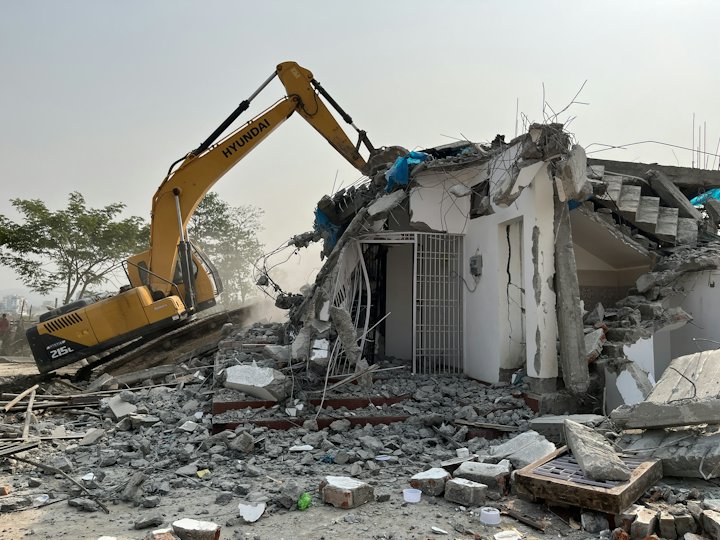 Demolition contractor
Demolition License (Class A or Class B)
 Pool and spa contractor
Swimming Pool Builder (SPB); SP-1 Limited Spa and Pool Contractor for maintenance and repair
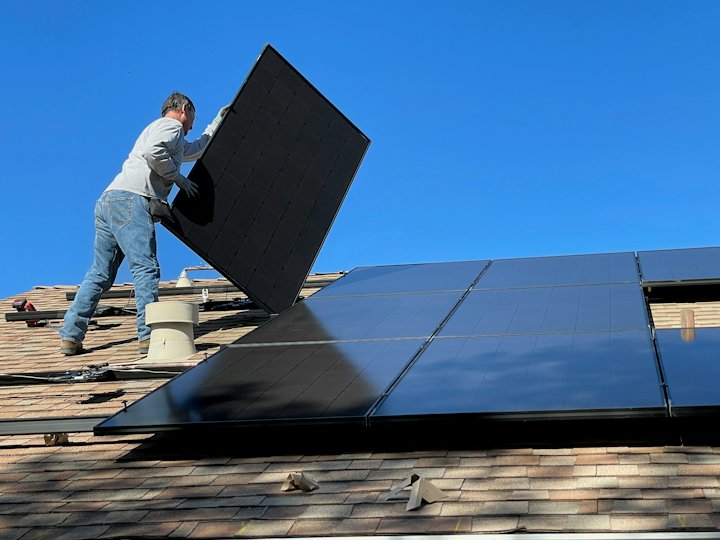 Solar installer
PV-1 Limited Solar Electric Contractor (PV-2 Journeyperson); ST-1 Solar Thermal Contractor
 Fence contractor
Home Improvement Contractor Registration
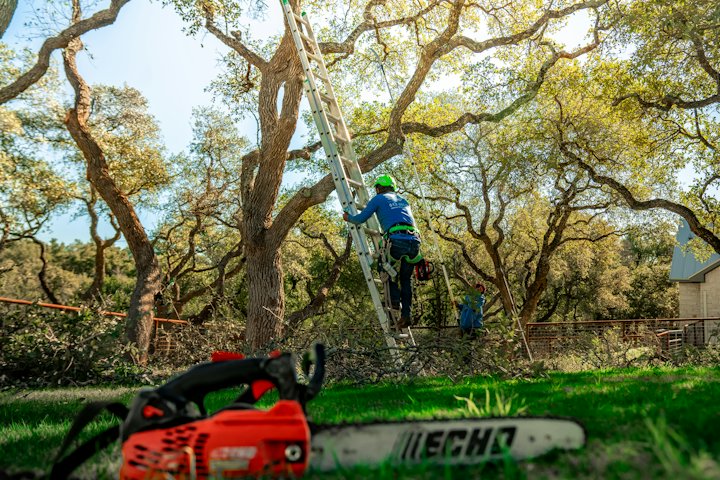 Tree service
Arborist License (commercial pesticide supervisor category 3D) and Arborist Business Registration
 Home inspector
Home Inspector License (H-1)
 Junk removal and hauling
No state license. Cities or counties may license it
Pest control licenses in other states
 Alabama
Structural Professional Services permit (HPC, FC, WDC categories) with a certified operator
 Arizona
Pest management business license, with a registered qualifying party who is a certified qualified applicator
 Arkansas
Pest control commercial license (license holder and licensed operator), Arkansas Department of Agriculture
 Colorado
Commercial Applicator business license, with a licensed Qualified Supervisor
 Delaware
Pesticide Business License and Certified Commercial Applicator (Delaware Department of Agriculture)
 District of Columbia
Pesticide Operator License and Certified Pesticide Applicator License
 Florida
Pest Control Business License, with a Certified Pest Control Operator in charge
 Georgia
Structural Pest Control Company License, with a Designated Certified Operator for each category
 Hawaii
Pest Control Operator (Branch 1 Fumigation, Branch 2 General Pest, Branch 3 Termite)
 Idaho
Professional pesticide applicator license
 Illinois
Commercial Structural Pest Control Business License and Certified Technician
 Indiana
Pesticide Business License and Commercial Applicator License (for hire)
 Iowa
Commercial pesticide applicator license (company) and commercial applicator certification in Category 7, Industrial, Institutional, and Structural Pest Control
 Kansas
Pesticide Business License (with a Certified Commercial Applicator)
 Kentucky
Commercial Structural Pest Management Operator license, Applicator license, and Structural Pest Management Company registration
 Louisiana
Structural Pest Control Operator license (by phase) and Place of Business Permit
 Maine
Commercial Applicator Certification; Spray Contracting Firm License
 Maryland
Pesticide Business License and Pest Control Applicator Certificate
 Massachusetts
Pesticide Applicator License (core) and Commercial Applicator Certification
 Michigan
Commercial Applicator Certification and Commercial Applicator License
 Minnesota
Structural Pest Control Applicator license (Journeyman or Master) and Structural Pest Control Company license
 Mississippi
Professional Services Company License and Operator License (Bureau of Plant Industry)
 Missouri
Certified Commercial Applicator License (Category 7A General Structural, 7B Termite, 7C Fumigation)
 Montana
Commercial Pesticide Applicator license
 Nebraska
Commercial Pesticide Applicator license (Category 08 Structural and Health-Related Pest Control; 08W Wood Destroying Organisms)
 Nevada
Pest control business license, plus an individual license as principal, operator or agent
 New Hampshire
Commercial Applicator Certificate of Registration (Category F, industrial, institutional, structural and health related pest control)
 New Jersey
Pesticide Applicator Business License and Commercial Pesticide Applicator certification
 New Mexico
Commercial Applicator license (with category certification, such as 7A structural pests or 7D wood-destroying pests)
 New York
Pesticide business registration and commercial pesticide applicator or technician certification
 North Carolina
Structural Pest Control License (P, W or F phase)
 North Dakota
Commercial Applicator Certification
 Ohio
Commercial Pesticide Applicator License (category 10a General Pest, 10b Termite, and others) and Pesticide Business License
 Oklahoma
Commercial Pesticide Applicator License (with a certified applicator)
 Oregon
Commercial Pesticide Operator license (business), with Commercial Pesticide Applicator licenses for individuals
 Pennsylvania
Pesticide application business license and commercial pesticide applicator certification
 Rhode Island
Commercial Pesticide Applicator License or Certification (such as Category 7A General Pest)
 South Carolina
Commercial Pesticide Applicator license, Category 7A, and Pest Control Business License
 South Dakota
Commercial Pesticide Applicator License
 Tennessee
Pest control charter (business) and pest control operator license by category, such as General Pest and Rodent Control (GRC) or Wood Destroying Organisms (WDO)
 Texas
Structural Pest Control Business License, with a Commercial Certified Applicator as Responsible Certified Applicator
 Utah
Commercial Pesticide Business License (4000), plus a Commercial Pesticide Applicator License (4001) for each applicator
 Virginia
Commercial Pesticide Applicator certification (Category 7A-7E) and Pesticide Business License
 Washington
Commercial Applicator pesticide license (company and individual), with Commercial Operator licenses for employees
 West Virginia
Licensed Pesticide Application Business (LPAB) license, Commercial Applicator license and Registered Technician license
 Wisconsin
Commercial applicator certification, Individual Commercial Applicator License (ICAL), and Pesticide Business License (PBL)
 Wyoming
Commercial Pesticide Applicator License