Flooring contractor · Rhode Island
Rhode Island flooring contractor license requirements
What Rhode Island requires before you take paid flooring work: the license, job size limit, exams, fees, bond and insurance. Checked November 6, 2026 from 8 official sources.
Do I need a license to work as a flooring contractor in Rhode Island?
Yes. You need a state registration: Contractor Registration.
Issued by Rhode Island Contractors' Registration and Licensing Board (CRLB)1
- Needed from
- $500
- Bond
- None listed
- Contractor registration, original or renewal
- $150
- Exams
- None listed
A person may not offer, bid on or do work as a contractor on a structure without a current certificate of registration from the board.23
More
A person working on one structure or project is exempt only when all of that person's contracts there total less than $500 and the work is casual, minor or inconsequential; this exemption does not apply to anyone who advertises or uses a sign or card that suggests they are a contractor. The law lists floor covering installers and ceramic tile installers among the subcontractors who must register before doing any work unless they are employees of a registered contractor.
How to get licensed
- 1
- 2
Get liability insurance of at least $500,000 combined single limit, and workers' compensation insurance if required.5
- 3
Apply to the board with a copy of a government ID, tax and insurance account numbers that apply, owner or officer names and addresses (post office boxes alone are not accepted), the insurance certificate, and the $150 fee.346
More
Applicants must be at least 18. Out-of-state contractors must also file a power of attorney naming a registered agent in Rhode Island.
- 4
What Rhode Island requires
Experience
Not published by the agency.
Exams
No exam listed by the agency.
Bond
The state does not publish a bond requirement for this work.
Liability insurance
During the whole registration period the contractor must carry public liability and property damage insurance of at least $500,000 combined single limit for bodily injury and property damage, and show proof at registration and at each renewal. Letting the insurance lapse makes the registration invalid.5
Renewal
The law says a certificate of registration is valid for one year from the date it is issued and is renewed the same way it was first obtained.1678
More
Renewal applicants must show 2.5 hours of continuing education. The board's rules, last refiled in January 2022, say registrations are valid for two years and require five hours of continuing education in each two-year cycle. A registration that has lapsed for more than six months must be applied for again as a new registration, including the pre-registration education.
Fees
Good to know
New applicants must show proof of five hours of pre-registration education.168
More
Under the board's rules, the five hours must be taken in person, not online, within the 24 months before applying, and must include one hour each on construction codes and standards, contracts, workplace safety, and business principles and practices, plus one hour on another construction topic. Contractors who do only commercial work are exempt from the education requirements.
Cities and towns may not issue a building permit to anyone who must be registered and is not.2
More
Cities and towns may not issue their own contractor registrations or charge a registration fee to a board-registered contractor, but they may still charge a general business license fee.
Any job over $1,000, including labor and materials, needs a written contract.2
More
The contract must include the notice of possible mechanic's lien set out in the law, and must state whether the proper insurance is in effect. Leaving out the lien notice can bring a $1,000 fine.
Advertising by an unregistered contractor is not allowed. A registered contractor who uses the word "license" in advertising when only registered can be fined $100 for each offense.2
Flooring contractor rules in Rhode Island cities
Some places make flooring contractors get a local license on top of Rhode Island's. Find yours below.
No match. Your city may not be on the site yet. Check with its building department.
Hiring a flooring contractor in Rhode Island?
What to ask for
A current Contractor Registration number, then look it up yourself.
Common questions
Do I need a license to work as a flooring contractor in Rhode Island?
Yes. Rhode Island requires Contractor Registration. A person may not offer, bid on or do work as a contractor on a structure without a current certificate of registration from the board. A person working on one structure or project is exempt only when all of that person's contracts there total less than $500 and the work is casual, minor or inconsequential; this exemption does not apply to anyone who advertises or uses a sign or card that suggests they are a contractor. The law lists floor covering installers and ceramic tile installers among the subcontractors who must register before doing any work unless they are employees of a registered contractor.
How much does Contractor Registration cost in Rhode Island?
Contractor registration, original or renewal: $150.
How often do I renew?
The law says a certificate of registration is valid for one year from the date it is issued and is renewed the same way it was first obtained. Renewal applicants must show 2.5 hours of continuing education. The board's rules, last refiled in January 2022, say registrations are valid for two years and require five hours of continuing education in each two-year cycle. A registration that has lapsed for more than six months must be applied for again as a new registration, including the pre-registration education.
Sources
8 official pages, checked November 6, 2026
- General Rules and Regulations for Applications, Registration, Licensing, Claims, Violations, and Administrative Hearings (440-RICR-10-00-1) · Rhode Island Department of State (Rhode Island Code of Regulations) · checked November 6, 2026
- R.I. Gen. Laws § 5-65-3. Registration for work on a structure required of contractor · Rhode Island General Assembly · checked November 6, 2026
- R.I. Gen. Laws § 5-65-2. Exemptions from registration — Registered agent for service of process · Rhode Island General Assembly · checked November 6, 2026
- R.I. Gen. Laws § 5-65-9. Registration fee — Report · Rhode Island General Assembly · checked November 6, 2026
- R.I. Gen. Laws § 5-65-7. Insurance required of contractors · Rhode Island General Assembly · checked November 6, 2026
- R.I. Gen. Laws § 5-65-5. Application for registration — Continuing education · Rhode Island General Assembly · checked November 6, 2026
- R.I. Gen. Laws § 5-65-8. Term of registration — Renewal · Rhode Island General Assembly · checked November 6, 2026
- Rules and Regulations for Contractors (440-RICR-10-00-2) · Rhode Island Department of State (Rhode Island Code of Regulations) · checked November 6, 2026
Rules change. Confirm with the agency before you bid or start work. How we research
Other trades in Rhode Island
 General contractor
Contractor Registration
 Residential builder
Contractor Registration (a residential construction license is required from January 1, 2028)
 Electrician
Electrical Contractor (Certificate A) and Journeyperson Electrician (Certificate B)
 Plumber
Master Plumber and Journeyperson Plumber
 HVAC contractor
Refrigeration/Air Conditioning Master and Journeyperson; Pipefitter Master and Journeyperson; Sheet Metal Contractor and Journeyperson
 Roofer
Commercial Roofing Contractor License
 Painter
Contractor Registration
 Handyman
Contractor Registration
 Landscaper
Contractor Registration (for hardscape and other structure work)
 Concrete contractor
Contractor Registration
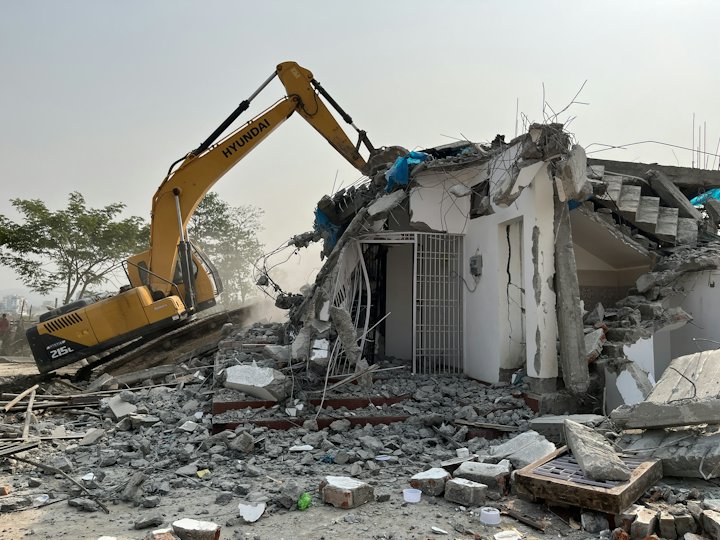 Demolition contractor
Contractor Registration
 Pool and spa contractor
Contractor Registration
 Solar installer
Renewable Energy Professional Certificate (Certificate REP), with electrical work by a licensed electrician
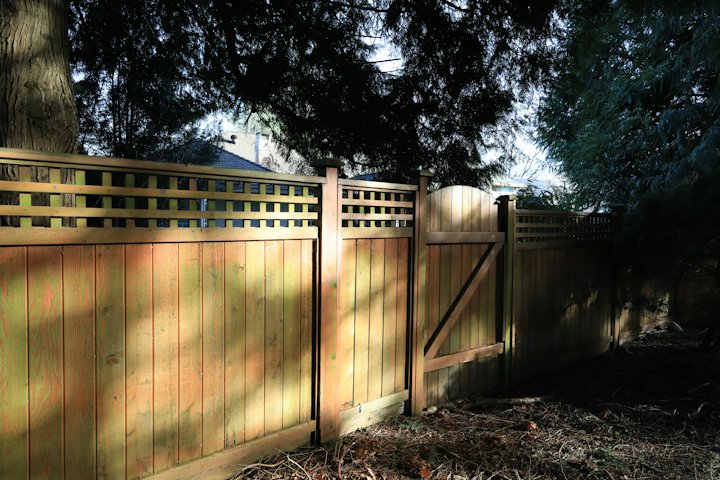 Fence contractor
Contractor Registration
 Tree service
Arborist License (Standard or Limited Utility)
 Pest control
Commercial Pesticide Applicator License or Certification (such as Category 7A General Pest)
 Home inspector
Home Inspector License (Associate Home Inspector License for inspectors working under a licensed home inspector)
Flooring contractor licenses in other states
 Alabama
Home builders license with limitation (residential); General Contractor specialty Carpet and Resilient Tile or Hard Tile and Stone (commercial)
 Arizona
R-8, C-8 or CR-8 Floor Covering
 Arkansas
Home Improvement license with the Floors, Floor Covering specialty (residential, over $2,000); commercial license with the Floors, Floor Covering specialty (commercial, $50,000 or more)
 California
C-15 Flooring and Floor Covering Contractor
 Connecticut
Home Improvement Contractor Registration
 Delaware
Contractor Business License (resident or non-resident), Division of Revenue
 District of Columbia
Covered by the state contractor license above a threshold
 Florida
No state license for this work
 Hawaii
C-21 Flooring Contractor
 Idaho
Idaho contractor registration
 Iowa
Construction contractor registration
 Louisiana
Flooring and Decking subclassification (commercial); home improvement registration for residential remodels
 Maryland
Covered by the state contractor license above a threshold
 Massachusetts
Covered by the state contractor license above a threshold
 Minnesota
Construction contractor registration
 Mississippi
Floor Covering or Tile and Marble specialty classification (commercial); Residential Remodeler for home improvements over $10,000
 Montana
 Construction Contractor License
 Nebraska
Contractor registration (Nebraska Department of Labor)
 Nevada
C-16 Finishing Floors (C-16a Covering Floors)
 New Jersey
Home Improvement Contractor Business Registration
 New Mexico
No state license for this work
 New York
No state license. Cities or counties may license it
 North Carolina
General Contractor license, Specialty classification S(Interior Construction)
 North Dakota
Covered by the state contractor license above a threshold
 Ohio
No state license. Cities or counties may license it
 Oregon
CCB contractor license (no separate flooring license)
 Pennsylvania
Home Improvement Contractor Registration (HICPA)
 South Carolina
Residential Specialty Contractor registration, Floor Covering Installers classification (Residential Builders Commission); General Contractor license, Nonstructural Renovation subclassification (Contractor's Licensing Board)
 Tennessee
Contractor license with BC-4 Floor Covering classification
 Utah
S220 Carpentry and Flooring Contractor
 Vermont
Residential Contractor Registration (individual or business)
 Virginia
Class A, B or C contractor license with the Flooring and Floor Covering (FLR) specialty
 Washington
Specialty contractor registration (Floor covering and counter tops, code SK)
 West Virginia
 contractor license (Residential, General Building, Remodeling and Repair, or Specialty classification)