Roofer · Michigan
Michigan roofer license requirements
What Michigan requires before you take paid roofing work: the license, job size limit, exams, fees, bond and insurance. Checked November 6, 2026 from 10 official sources.
Do I need a license to work as a roofer in Michigan?
Yes. You need a state license: Residential Maintenance and Alteration Contractor License – Roofing.
Issued by Michigan Department of Licensing and Regulatory Affairs (LARA)123
- Needed from
- $600
- Bond
- None listed
- Application processing fee
- $15
- Exams
- 1

A residential builder or maintenance and alteration (M&A) license is not needed for a single project when the total price for labor, materials and everything else is under $600 across all contracts.4
More
This exemption does not apply if the work is only part of a larger operation, or if a project is split into contracts under $600 to avoid the law.
How to get licensed
What Michigan requires
Experience
Since June 1, 2008, a first-time applicant for a residential builder or M&A license must finish 60 hours of approved prelicensure courses.5
More
At least 6 hours must be in each of seven subjects: business management, estimating and job costing; design and building science; contracts, liability and risk management; marketing and sales; project management and scheduling; the current Michigan residential code; and construction safety under the Michigan occupational safety and health act. Some veterans can be exempted or credited with an affidavit about their military construction experience.
Exams 1
- State licensing exam
Applicants must pass an exam that shows a fair knowledge of a builder's or contractor's duties to the public and to the customer, and of the laws on this license.67
More
The State License Fee Act lists a law and rules portion and a practice or trades portion. An M&A license names the trades the licensee qualified in, such as roofing. The legal text checked does not name the exam vendor.
Bond
The state does not publish a bond requirement for this work.
Liability insurance
Not published by the agency. Customers and general contractors often ask for proof anyway.
Workers' compensation
Not published by the agency for this license.
Renewal
Residential builder and M&A licenses are issued for 3 years.56
More
To renew, the licensee must state that they have a current copy of the Michigan residential code and have met the continuing competency rules. Licensees first licensed on or after January 1, 2009 need 21 hours of continuing competency in each 3-year cycle, including at least 3 hours each calendar year during the first 6 years of licensure and at least 3 hours on codes, laws, safety and changes in construction and business law. Licensees first licensed before 2009 with no discipline need at least 3 hours per cycle, with 1 hour each of codes, safety and legal issues. Records must be kept for 5 years.
Fees
Good to know
Michigan law lists these M&A crafts and trades: carpentry; concrete; swimming pool installation; basement waterproofing; excavation; insulation; masonry; roofing; siding and gutters; screen or storm sash installation; tile and marble; and house wrecking.6
More
The license names each trade the holder qualified in. An M&A contractor may also do other trades on a job when that work is incidental to its licensed trade.
A 'residential structure' under this law is a detached one- or two-family home, or a townhouse no more than 3 stories above grade with its own exit, plus related facilities.9
An unlicensed builder or M&A contractor cannot sue to collect payment or put a lien on property for work that needed a license.10
More
Prosecutors and the attorney general can seek a civil fine of $5,000 to $25,000 against unlicensed contractors.
No license is needed for: owners working on a home they live in; rental owners doing maintenance and alteration on their own rental property; government workers; and people (other than salespeople) who work only under contract with a licensed builder or M&A contractor.4
More
Licensed electrical, plumbing and mechanical contractors do not need this license for their own trade work.
The State License Fee Act also lists exam fees of $50 for the complete builder or M&A exam and $30 for each single portion.7
More
LARA's own current fee and exam pages could not be read for this check (the site blocked automated access), so the amount charged by any exam vendor is not confirmed here.
Roofer rules in Michigan cities
Some places make roofers get a local license on top of Michigan's. Find yours below.
- Ann ArborContractor registration; trades not listed
- DetroitNo local license for this trade
- Grand RapidsContractor registration; trades not listed
- KalamazooNo local license for this trade
- Sterling HeightsNo local license for this trade
- WarrenNo local license for this trade
No match. Your city may not be on the site yet. Check with its building department.
Hiring a roofer in Michigan?
What to ask for
A current Residential Maintenance and Alteration Contractor License – Roofing number, then look it up yourself.
Common questions
Do I need a license to work as a roofer in Michigan?
Yes. Michigan requires Residential Maintenance and Alteration Contractor License – Roofing. A residential builder or maintenance and alteration (M&A) license is not needed for a single project when the total price for labor, materials and everything else is under $600 across all contracts. This exemption does not apply if the work is only part of a larger operation, or if a project is split into contracts under $600 to avoid the law.
How much does Residential Maintenance and Alteration Contractor License – Roofing cost in Michigan?
Application processing fee (State License Fee Act): $15. License fee, per year (license lasts 3 years): $50.
What exams do I need to pass?
State licensing exam.
How often do I renew?
Residential builder and M&A licenses are issued for 3 years. To renew, the licensee must state that they have a current copy of the Michigan residential code and have met the continuing competency rules. Licensees first licensed on or after January 1, 2009 need 21 hours of continuing competency in each 3-year cycle, including at least 3 hours each calendar year during the first 6 years of licensure and at least 3 hours on codes, laws, safety and changes in construction and business law. Licensees first licensed before 2009 with no discipline need at least 3 hours per cycle, with 1 hour each of codes, safety and legal issues. Records must be kept for 5 years.
Sources
10 official pages, checked November 6, 2026
- MCL - Section 339.5103 - Michigan Legislature · Michigan Legislature · checked November 6, 2026
- MCL - Section 339.2402 - Michigan Legislature · Michigan Legislature · checked November 6, 2026
- Accela Citizen Access · Michigan Department of Licensing and Regulatory Affairs · checked November 6, 2026
- MCL - Section 339.2403 - Michigan Legislature · Michigan Legislature · checked November 6, 2026
- MCL - Section 339.2404b - Michigan Legislature · Michigan Legislature · checked November 6, 2026
- MCL - Section 339.2404 - Michigan Legislature · Michigan Legislature · checked November 6, 2026
- MCL - Section 338.2239 - Michigan Legislature · Michigan Legislature · checked November 6, 2026
- MCL - Section 339.2405 - Michigan Legislature · Michigan Legislature · checked November 6, 2026
- MCL - Section 339.2401 - Michigan Legislature · Michigan Legislature · checked November 6, 2026
- MCL - Section 339.2412 - Michigan Legislature · Michigan Legislature · checked November 6, 2026
Rules change. Confirm with the agency before you bid or start work. How we research
Other trades in Michigan
 General contractor
No state license for this work
 Residential builder
Residential Builder License
 Electrician
Electrical Contractor License (work done by licensed Master Electricians, Electrical Journeymen and registered apprentices)
 Plumber
Plumbing Contractor License (work done by licensed Master and Journey Plumbers)
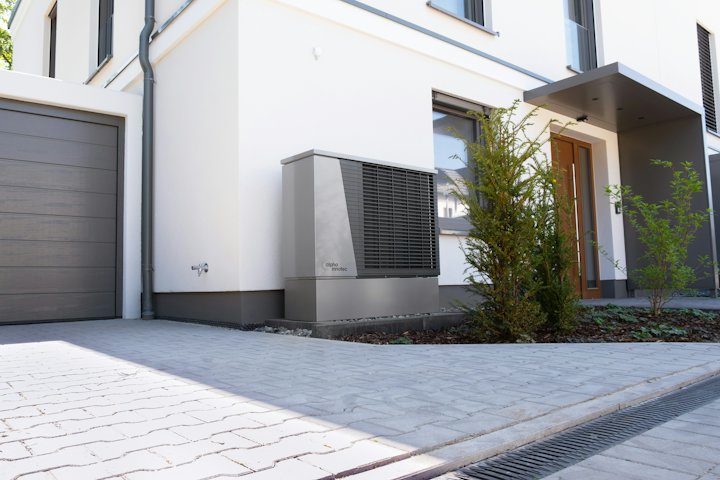 HVAC contractor
Mechanical Contractor License (HVAC equipment and other work classifications)
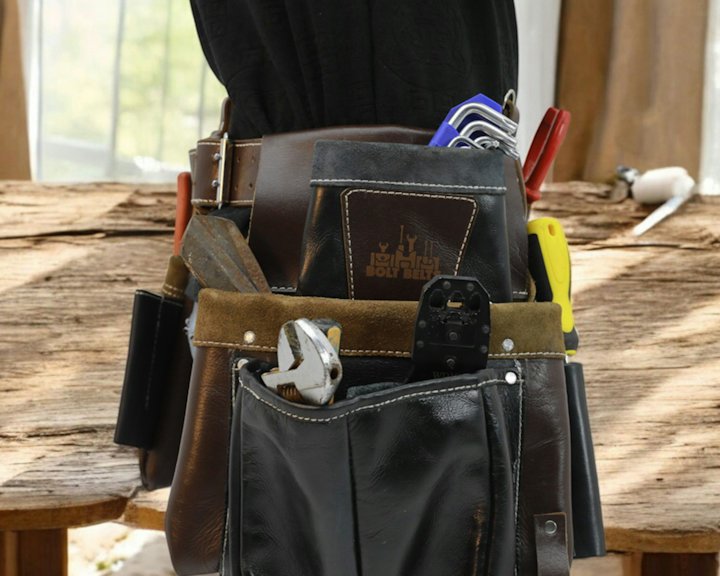 Handyman
Residential Maintenance and Alteration Contractor License (by trade)
 Concrete contractor
Residential Maintenance and Alteration Contractor License – Concrete
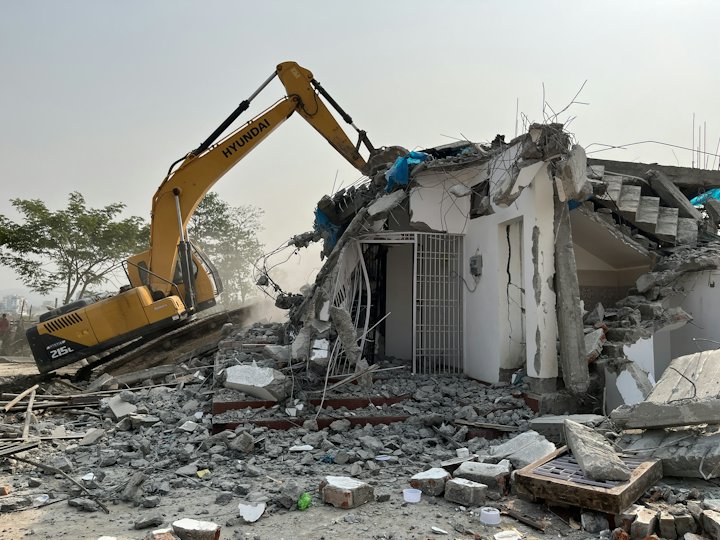 Demolition contractor
Residential Maintenance and Alteration Contractor License – House Wrecking
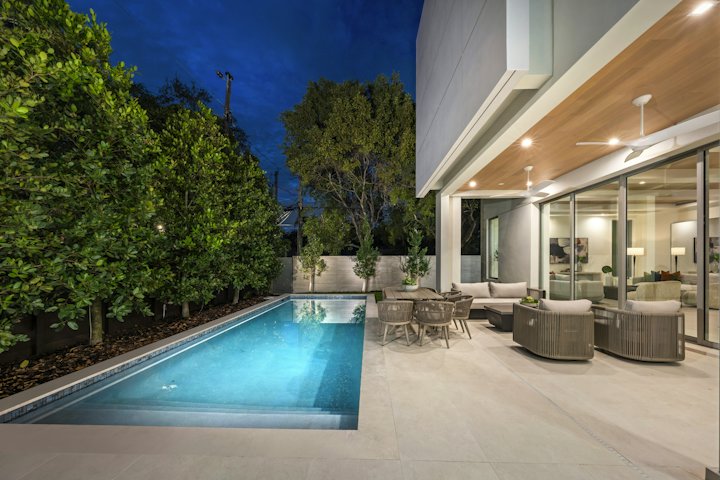 Pool and spa contractor
Residential Maintenance and Alteration Contractor License – Swimming Pool Installation
 Solar installer
Electrical Contractor License
 Pest control
Commercial Applicator Certification and Commercial Applicator License
Roofer licenses in other states
 Alabama
Residential Roofers License (Home Builders Licensure Board); commercial reroofing under a general contractor license
 Arizona
R-42, C-42 or CR-42 Roofing
 Arkansas
Residential Roofer Registration (residential, over $2,000); commercial license with the Roofs, Roof Decks, Roofing Sheet Metal specialty (commercial, $50,000 or more)
 California
C-39 Roofing Contractor
 Connecticut
Home Improvement Contractor Registration
 District of Columbia
Covered by the state contractor license above a threshold
 Florida
Certified Roofing Contractor (CC) or Registered Roofing Contractor (RC)
 Hawaii
C-42 Roofing Contractor
 Idaho
Idaho contractor registration
 Illinois
Roofing Contractor License (Limited or Unlimited)
 Iowa
Construction contractor registration
 Kansas
Roofing Contractor Registration Certificate
 Kentucky
No state license. Cities or counties may license it
 Louisiana
Residential Roofing subclassification (residential license); Roofing and Sheet Metal, Siding subclassification (commercial license)
 Maryland
Covered by the state contractor license above a threshold
 Massachusetts
Construction Supervisor License, Specialty: Roof Covering
 Minnesota
Residential Roofer (RR) license (a BC or CR license also allows roofing)
 Mississippi
Residential Roofer license; Roofing, Sheet Metal and Siding specialty (commercial)
 Montana
 Construction Contractor License
 Nebraska
Contractor registration (Nebraska Department of Labor)
 Nevada
C-15 Roofing and Siding (C-15a Roofing)
 New Jersey
Home Improvement Contractor Business Registration
 New Mexico
GS-21 Roofing
 New York
No state license. Cities or counties may license it
 North Carolina
General Contractor license, Specialty classification S(Roofing)
 North Dakota
Covered by the state contractor license above a threshold
 Ohio
No state license. Cities or counties may license it
 Oklahoma
Roofing Contractor Registration
 Oregon
CCB contractor license (no separate roofing license)
 Pennsylvania
Home Improvement Contractor Registration (HICPA)
 Rhode Island
Commercial Roofing Contractor License
 South Carolina
Residential Specialty Contractor registration, Roofers classification (Residential Builders Commission); General Contractor license, Roofing subclassification (Contractor's Licensing Board)
 Tennessee
Contractor license with BC-21 Roofing classification
 Texas
No state license for this work
 Utah
S280 Roofing Contractor
 Vermont
Residential Contractor Registration (individual or business)
 Virginia
Class A, B or C contractor license with the Roofing (ROC) specialty
 Washington
Specialty contractor registration (Roofing, code CD)
 West Virginia
 contractor license (Residential, General Building, Remodeling and Repair, or Specialty classification)
 Wisconsin
Covered by the state contractor license above a threshold