Residential builder · Arizona
Arizona residential builder license requirements
What Arizona requires before you take paid building and remodeling homes: the license, job size limit, exams, fees, bond and insurance. Checked November 6, 2026 from 13 official sources.
Do I need a license to work as a residential builder in Arizona?
Yes. You need a state license: B General Residential Contractor.
Issued by Arizona Registrar of Contractors (ROC)12
- Needed from
- $1,000
- Bond
- Required
- Reactivation fee
- $50
- Exams
- 1
A person without an ROC license may take a job only if the total price for the whole project, counting labor, materials and everything else, is less than $1,000, and the work is casual or minor.34
More
Unaltered, manufacturer-designed fixtures and appliances that plug into a common outlet are left out of the total. The exemption does not apply if the work needs a local building permit, if the job is part of a larger project, or if a project is split into contracts under $1,000 to avoid licensing. It also does not apply to anyone who advertises without including the words "not a licensed contractor" in the ad. It never covers fire safety work such as hardwired or interconnected smoke alarms and fire sprinklers, or any work that connects to natural gas, propane or another fuel gas supply.
How to get licensed
- 1
- 2
Name a qualifying party who has at least four years of trade experience and has passed the required written exam within the last two years.2
- 3
- 4
File the surety bond or cash deposit. Residential and dual licensees also post the $200,000 bond or pay into the residential contractors' recovery fund.6
- 5
The ROC acts on a complete application within 60 days. Once licensed, put the license number, starting with "ROC", on bids, estimates, ads and at the job site.12
- 6
Check any license on the ROC Contractor Search.1
What Arizona requires
Experience
The license must have a qualifying party with at least four years of practical or management trade experience in the type of work applied for, with at least two of those years within the last ten years.2
More
Technical training at an accredited college or university or in a manufacturer's accredited training program can replace up to two of the four years. The registrar may lower the four-year requirement for a trade where it is shown to be excessive, and waives experience documentation for a person who already is or was a qualifying party in Arizona in the same classification.
Exams 1
- Written trade and business exam
The qualifying party must pass a written exam, taken no more than two years before applying, if one is required for the classification.25
More
It covers the type of work applied for, Arizona building, safety, health and lien laws, contracting business administration and ROC rules. The exam is waived for a person who was a qualifying party in Arizona in the same classification within the last five years. The law lets the registrar use a private testing service; the current testing vendor could not be confirmed during this check.
Bond
A surety bond or cash deposit is required before a license is issued and must stay in force to renew.689
More
State law sets these ranges by license type and estimated annual volume of work in Arizona. General commercial: annual Arizona volume under $150,000, $5,000; $150,000 to $500,000, $5,000 to $15,000; $500,000 to $1 million, $10,000 to $25,000; $1 million to $5 million, $15,000 to $50,000; $5 million to $10 million, $35,000 to $75,000; $10 million or more, $50,000 to $100,000. General residential: $5,000 to $15,000. General dual: one bond with a commercial amount from the commercial table and a residential amount from the residential range. Residential and dual licensees must also either post an extra $200,000 bond or cash deposit that only homeowner claimants can claim against, or join the residential contractors' recovery fund and pay its assessment. A cash deposit with the state treasurer, or certificates of deposit or savings accounts assigned to the registrar, can be used instead of a surety bond. The exact amount within each range is set by the registrar based on volume and classification; the registrar's current bond schedule could not be confirmed during this check.
Liability insurance
Not published by the agency. Customers and general contractors often ask for proof anyway.
Workers' compensation
Every applicant must attest that it complies with Arizona workers' compensation laws.2
More
An applicant that is required by law to carry workers' compensation must give its policy number or proof of self-insurance with the application. The same attestation is needed to renew.
Renewal
ROC licenses run for two years on staggered dates, and the registrar may allow a yearly renewal for hardship.5710
More
A license is suspended by law the business day after its renewal date unless the renewal application, fee and a valid bond are received or mailed on or before that date. A license suspended for not renewing can be reactivated within one year by paying the renewal fee plus $50; after one year, a new license application is needed. There is a $50 penalty for applying to renew late.
Fees
Good to know
General residential contracting covers building, altering, repairing, improving, moving or demolishing any residential structure or appurtenance, including swimming pools, within residential property lines.11
Homeowners harmed by a licensed residential contractor's poor work may be able to claim against the residential contractors' recovery fund if the contractor was properly licensed when the contract was signed, the first payment was made, or work began.9
A property owner may build or improve a home without a license when it is only for the owner's own use and not for sale or rent.3
More
Selling or renting it within one year after completion is treated as evidence it was built for sale or rent.
A contractor that bids on a project worth more than $1,000 without the proper license can be refused a license for one year after the bid date.13
More
For a first offense on a project under $20,000, the registrar issues a written warning instead.
Residential builder rules in Arizona cities
Some places make residential builders get a local license on top of Arizona's. Find yours below.
No match. Your city may not be on the site yet. Check with its building department.
Hiring a residential builder in Arizona?
What to ask for
A current B General Residential Contractor number, then look it up yourself. Arizona also requires a bond for this license.
Common questions
Do I need a license to work as a residential builder in Arizona?
Yes. Arizona requires B General Residential Contractor. A person without an ROC license may take a job only if the total price for the whole project, counting labor, materials and everything else, is less than $1,000, and the work is casual or minor. Unaltered, manufacturer-designed fixtures and appliances that plug into a common outlet are left out of the total. The exemption does not apply if the work needs a local building permit, if the job is part of a larger project, or if a project is split into contracts under $1,000 to avoid licensing. It also does not apply to anyone who advertises without including the words "not a licensed contractor" in the ad. It never covers fire safety work such as hardwired or interconnected smoke alarms and fire sprinklers, or any work that connects to natural gas, propane or another fuel gas supply.
How much does B General Residential Contractor cost in Arizona?
Late renewal penalty: $50. Reactivation fee (on top of the renewal fee): $50.
Is a bond required?
A surety bond or cash deposit is required before a license is issued and must stay in force to renew. State law sets these ranges by license type and estimated annual volume of work in Arizona. General commercial: annual Arizona volume under $150,000, $5,000; $150,000 to $500,000, $5,000 to $15,000; $500,000 to $1 million, $10,000 to $25,000; $1 million to $5 million, $15,000 to $50,000; $5 million to $10 million, $35,000 to $75,000; $10 million or more, $50,000 to $100,000. General residential: $5,000 to $15,000. General dual: one bond with a commercial amount from the commercial table and a residential amount from the residential range. Residential and dual licensees must also either post an extra $200,000 bond or cash deposit that only homeowner claimants can claim against, or join the residential contractors' recovery fund and pay its assessment. A cash deposit with the state treasurer, or certificates of deposit or savings accounts assigned to the registrar, can be used instead of a surety bond. The exact amount within each range is set by the registrar based on volume and classification; the registrar's current bond schedule could not be confirmed during this check.
What exams do I need to pass?
Written trade and business exam.
How often do I renew?
ROC licenses run for two years on staggered dates, and the registrar may allow a yearly renewal for hardship. A license is suspended by law the business day after its renewal date unless the renewal application, fee and a valid bond are received or mailed on or before that date. A license suspended for not renewing can be reactivated within one year by paying the renewal fee plus $50; after one year, a new license application is needed. There is a $50 penalty for applying to renew late.
Sources
13 official pages, checked November 6, 2026
- Contractor Search · Arizona Registrar of Contractors · checked November 6, 2026
- 32-1122 - Qualifications for license · Arizona State Legislature · checked November 6, 2026
- 32-1121 - Persons not required to be licensed; penalties; applicability · Arizona State Legislature · checked November 6, 2026
- 32-1121; Version 1 - Persons not required to be licensed; penalties; applicability · Arizona State Legislature · checked November 6, 2026
- 32-1126 - Fees · Arizona State Legislature · checked November 6, 2026
- 32-1152 - Bonds · Arizona State Legislature · checked November 6, 2026
- 32-1125 - Renewal of license; qualifying party · Arizona State Legislature · checked November 6, 2026
- 32-1152.01 - Alternatives to cash deposit · Arizona State Legislature · checked November 6, 2026
- 32-1132 - Residential contractors' recovery fund; claimants; eligibility; definition · Arizona State Legislature · checked November 6, 2026
- 32-1123.01 - Staggered periods of licensure; biennial renewal · Arizona State Legislature · checked November 6, 2026
- 32-1102 - Classification of licenses; contracting business · Arizona State Legislature · checked November 6, 2026
- 32-1124 - License issuance; required posting and placement; license suspension · Arizona State Legislature · checked November 6, 2026
- 32-1123 - Unlicensed contractors; contract bidding; license denial; exemptions; warning · Arizona State Legislature · checked November 6, 2026
Rules change. Confirm with the agency before you bid or start work. How we research
Other trades in Arizona
 General contractor
B-1 General Commercial Contractor, KB-1 Dual Building Contractor, or B General Residential Contractor
 Electrician
R-11, C-11 or CR-11 Electrical
 Plumber
R-37, C-37 or CR-37 Plumbing
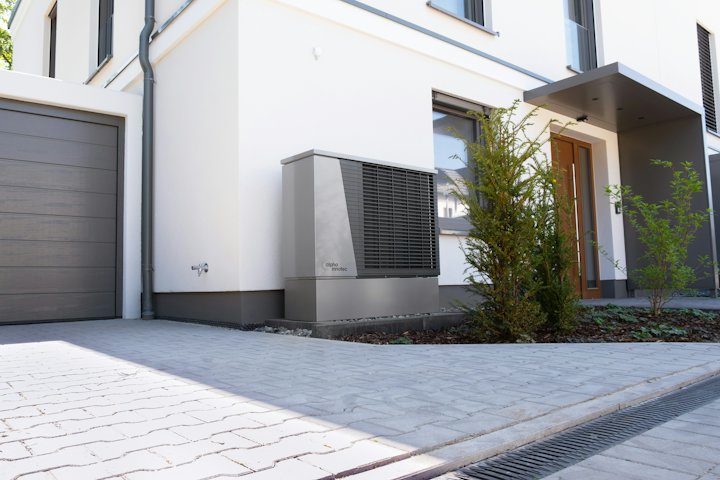 HVAC contractor
R-39, C-39 or CR-39 Air Conditioning and Refrigeration
 Roofer
R-42, C-42 or CR-42 Roofing
 Painter
R-34, C-34 or CR-34 Painting and Wall Covering
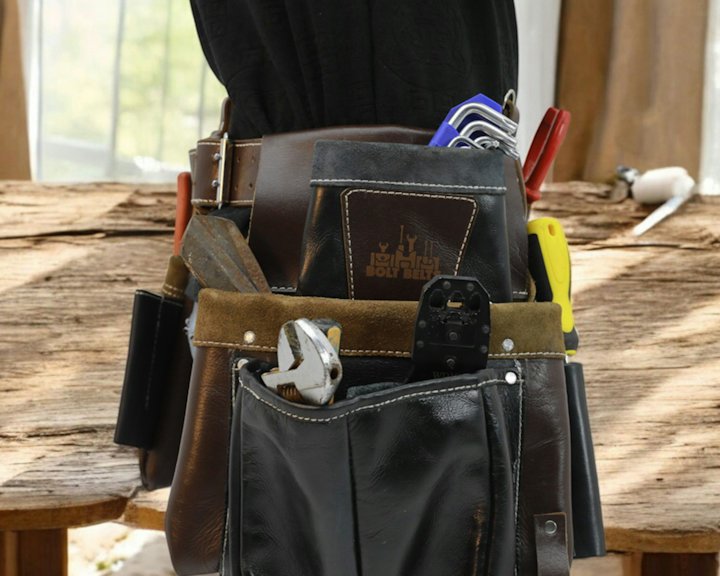 Handyman
Covered by the state contractor license above a threshold
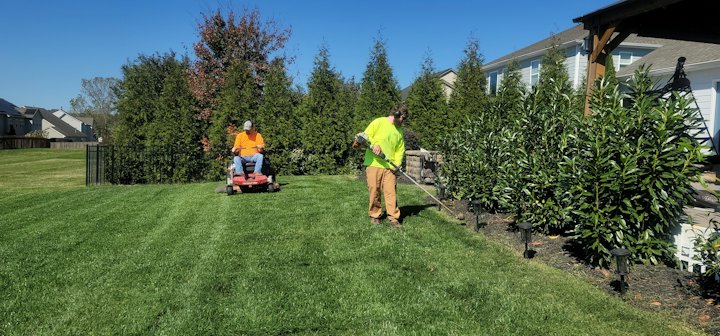 Landscaper
R-21, C-21 or CR-21 Hardscaping and Irrigation Systems
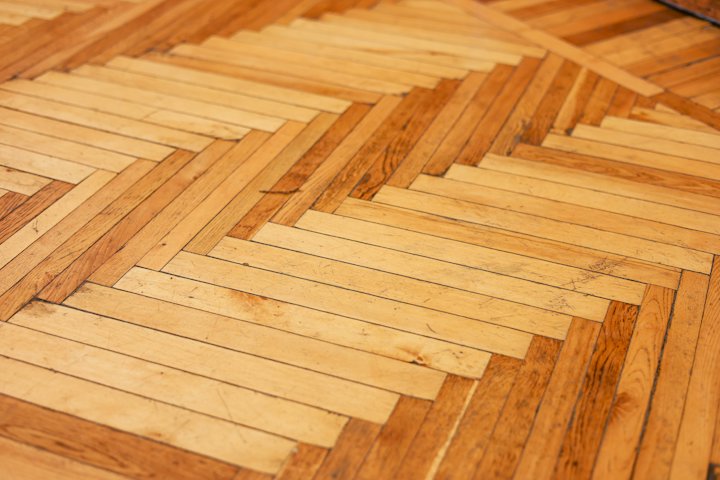 Flooring contractor
R-8, C-8 or CR-8 Floor Covering
 Concrete contractor
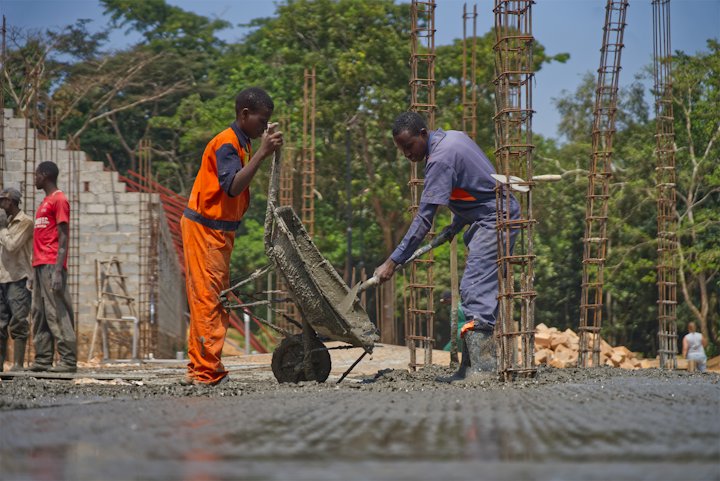
R-9, C-9 or CR-9 Concrete
 Demolition contractor
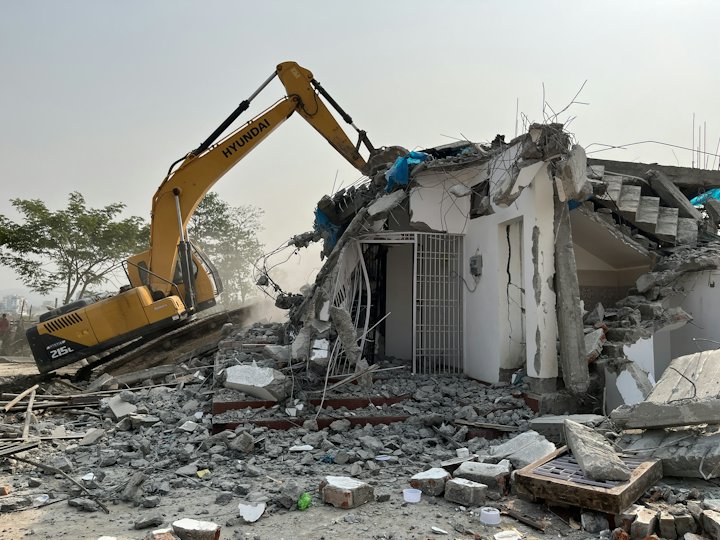
R-57, C-57 or CR-57 Wrecking
 Pool and spa contractor
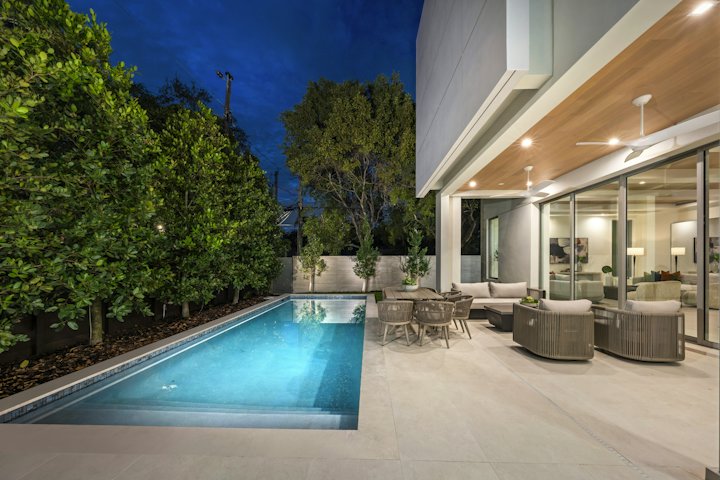
B-5 General Swimming Pool Contractor, A-9 Swimming Pools, or KA-5 Dual Swimming Pool Contractor
 Fence contractor
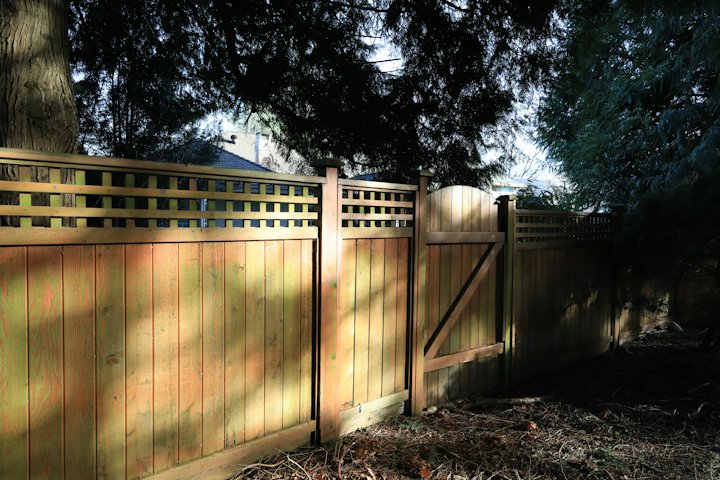
R-14, C-14 or CR-14 Fencing
 Pest control
Pest management business license, with a registered qualifying party who is a certified qualified applicator
 Home inspector
 certification
Residential builder licenses in other states
 Alabama
Residential Home Builders License (unlimited, limited, or roofers)
 Alaska
General contractor registration with residential contractor endorsement
 Arkansas
Residential Builder license, Arkansas Residential Contractors Committee
 California
B General Building Contractor or B-2 Residential Remodeling Contractor
 Connecticut
New Home Construction Contractor Registration
 Delaware
Contractor Business License (resident or non-resident), Division of Revenue
 District of Columbia
Covered by the state contractor license above a threshold
 Florida
Certified Residential Contractor (CR) or Registered Residential Contractor (RR); Certified Building Contractor (CB) also covers residential work
 Georgia
Residential Contractor license, Residential-Basic or Residential-Light Commercial
 Hawaii
B General Building Contractor
 Idaho
Idaho contractor registration
 Illinois
No state license for this work
 Indiana
No state license for this work
 Iowa
Construction contractor registration
 Kansas
No state license. Cities or counties may license it
 Kentucky
No state license. Cities or counties may license it
 Louisiana
Residential license, Residential Construction classification
 Maryland
Home Builder Registration (Maryland Home Builder Registration Act)
 Massachusetts
Construction Supervisor License (Restricted, one- and two-family dwellings)
 Michigan
Residential Builder License
 Minnesota
Residential Building Contractor (BC) or Residential Remodeler (CR) license
 Mississippi
Residential Builder license (also Residential Remodeler, Residential Roofer and Residential Construction Manager)
 Missouri
No state license. Cities or counties may license it
 Montana
 Construction Contractor License
 Nebraska
Contractor registration (Nebraska Department of Labor)
 Nevada
B-2 Residential and Small Commercial (B-7 Residential Remodeling for remodels only)
 New Jersey
New Home Builder Registration (New Home Warranty Program)
 New Mexico
GB-2 Residential
 North Carolina
General Contractor license, Residential classification (limited, intermediate or unlimited)
 North Dakota
Contractor License (Class A, B, C or D)
 Ohio
No state license. Cities or counties may license it
 Oregon
CCB contractor license with a Residential General Contractor endorsement
 Pennsylvania
No state license for this work
 Rhode Island
Contractor Registration (a residential construction license is required from January 1, 2028)
 South Carolina
Residential Builder license
 South Dakota
Contractor's Excise Tax License (Department of Revenue)
 Tennessee
Contractor license with BC-A Residential classification (or BC-A/r Restricted Residential)
 Texas
No state license for this work
 Utah
R100 Residential and Small Commercial Contractor
 Vermont
Residential Contractor Registration (individual or business)
 Virginia
Class A, B or C contractor license with the Residential Building (RBC) classification
 Washington
General contractor registration (no separate residential license)
 West Virginia
Residential Contractor
 Wisconsin
Dwelling Contractor certification with a Dwelling Contractor Qualifier